Author: bvfug

  • Stakeholder management

    Stakeholder management

    I find the topic of Stakeholder Management fascinating because it means different things to different people and there is no one right way to do it. It’s often mentioned a lot at the beginning of projects – when Project Managers are ticking boxes on checklists for things that need to be in place that they hope will make their project a success.

    When I hear it mentioned during projects its usually accompanied by heavy sighs and increasing levels of angst and frustration. But it doesn’t need to be that way.

    I prefer the term Stakeholder Engagement over Stakeholder Management for one simple reason.

    Stakeholders can be internal or external, individuals or groups and may even include organisations and regulatory bodies. Not always things that can be easily managed, yet each requiring tailored engagement. Usually, Stakeholder Engagement is aligned to some sort of communication plan or RACI chart, which can be useful for determining the method and frequency of communication.

    I like to look at Stakeholder Engagement as coalition building, a bringing together of those interested in seeing a successful outcome and accomplishing goals. Its not always easy as there are multiple agendas to consider, differing perspectives and priorities. Whilst Stakeholder Engagement at times can be frustrating it is also is incredibly valuable due to the insights that can be gained and relationships that are formed that can be beneficial to all.

    Effective Stakeholder Engagement can help you realise better outcomes, a shared reality, and a whole new opportunity baseline.
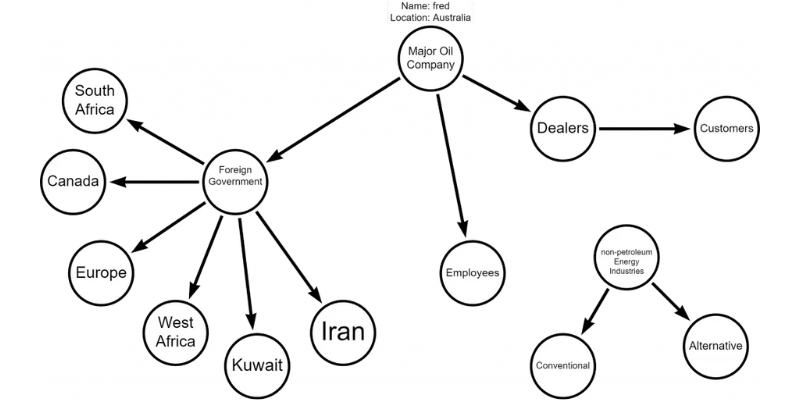
    Example Stakeholder Model

    Tips for realising success:

    • Identify and map stakeholders and be clear about what you want to achieve.

    • Identify relationships and common interests between stakeholders.

    • Determine the issues or topics on which you need input.

    • Develop an engagement plan.

    • Execute the plan and manage expectations.

  • How could and how should we transition?

    How could and how should we transition?

    This is the question that we all have to ask ourselves.

    The potential answers can be many, but deciding on the best approach, well that’s a bit trickier. 

    Transition is a deliberative process and the context will be different for everyone. If we are an individual working through a transition, we tend to think more about how we will continue to pay the bills, keep families together and on track and land or keep a job that we like and want. In a business context we need to think about employees, existing, changed and new capabilities, whether customers are still going to want and need us, and are suppliers and supply-chains still intact.  Whether it’s an individual or business that is thinking about how could and should the transition happen, there is one thing for sure, we are going to confront decisions that not everyone is going to be happy with.

    If we look at transition as a deliberative process and the various steps and activities are defined and shared with those that are impacted and we are basing decisions on good quality data and information, the result will probably be that most people can agree and live with the outcome. But what we have to consider is, there is no one single solution and it’s about devising a way forward that people can live with.  Having an effective deliberative process will prevent people from making assumptions and jumping to conclusions as it provides an opportunity for people to understand their role, the impact and what is expected once the transition starts to happen.

    In the twenty-plus years I have been helping organisations, to get from where they are to where they need to be, I have found that having a framework and deliberative process provides the vehicle for different opinions, voices and thinking styles to be heard and considered.

    Many times I have been asked to provide certainty on an outcome. Well, we all know certainty is almost impossible and especially given the combination of pandemic and global economic conditions, but with a good transformation framework, you bring together two aspects – build confidence in planning and having the expertise to design and make the transition. It allows us to take a proactive stance about the future. Time is one resource that as individuals and businesses we can’t afford to waste and we need to use it wisely, using a sound framework and having a deliberative process and the right expertise helps prevent a waste of time, effort and money.

    Transition thinking, a good framework and deliberative process can provide your bridge to transition to the future.

  • The seven elements

    The seven elements

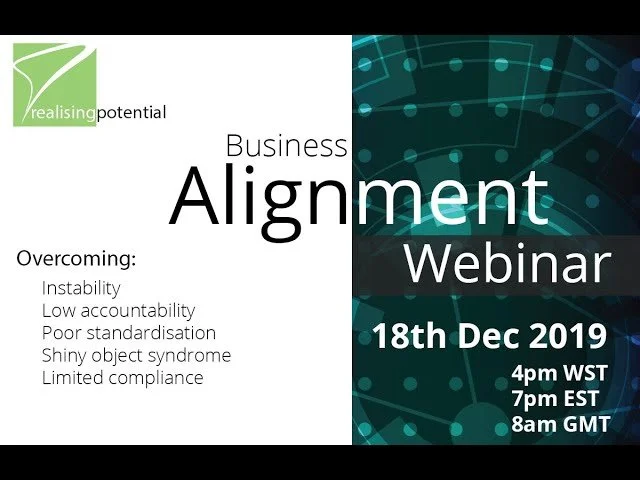
    A great introduction when considering Business Alignment in your organization. Presented in December 2019, we continue our quest to support and advise Executive Teams, and others responsible for transformation.

    Gain an understanding of the 7 common mistakes when delivering on business alignment strategy. We talk about the amazing results you can achieve when you get it right. You can replay this by clicking on the image or link. 

  • Overcoming challenges in large transformation projects with Jo Fortin (Woodside)

    Overcoming challenges in large transformation projects with Jo Fortin (Woodside)

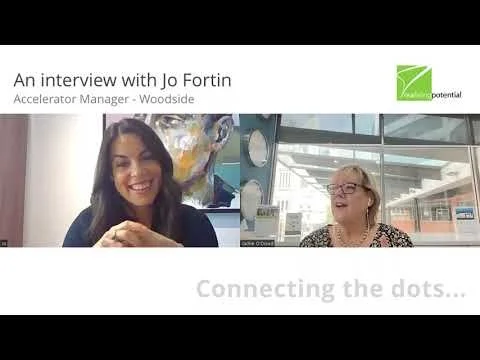
    Jackie talks with Jo Fortin following on from a recent presentation at the Perth Digital MeetingUp Group. They discuss the challenges faced by organisations undertaking large Optimisation, Transition, or Transformation projects.

  • All things data – a discussion with Weidong Yang (CEO of Kineviz inc)

    All things data – a discussion with Weidong Yang (CEO of Kineviz inc)

    ” A complex question is often just a simple question in disguise.” Weidong Yang – CEO – Kineviz Inc.

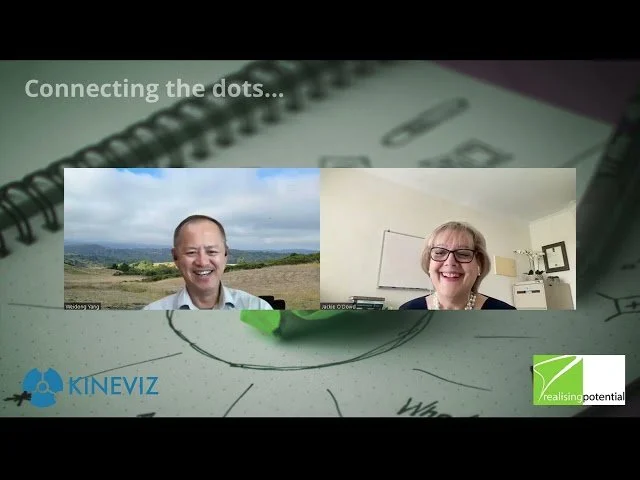
    Jackie and Wei discuss structured and unstructured data and the value of using visualisation tools to achieve fast understanding and insight.

  • Blog Post Title Two

    Blog Post Title Two

    It all begins with an idea. Maybe you want to launch a business. Maybe you want to turn a hobby into something more. Or maybe you have a creative project to share with the world. Whatever it is, the way you tell your story online can make all the difference.

    Don’t worry about sounding professional. Sound like you. There are over 1.5 billion websites out there, but your story is what’s going to separate this one from the rest. If you read the words back and don’t hear your own voice in your head, that’s a good sign you still have more work to do.

    Be clear, be confident and don’t overthink it. The beauty of your story is that it’s going to continue to evolve and your site can evolve with it. Your goal should be to make it feel right for right now. Later will take care of itself. It always does.

  • Blog Post Title Three

    Blog Post Title Three

    It all begins with an idea. Maybe you want to launch a business. Maybe you want to turn a hobby into something more. Or maybe you have a creative project to share with the world. Whatever it is, the way you tell your story online can make all the difference.

    Don’t worry about sounding professional. Sound like you. There are over 1.5 billion websites out there, but your story is what’s going to separate this one from the rest. If you read the words back and don’t hear your own voice in your head, that’s a good sign you still have more work to do.

    Be clear, be confident and don’t overthink it. The beauty of your story is that it’s going to continue to evolve and your site can evolve with it. Your goal should be to make it feel right for right now. Later will take care of itself. It always does.

  • Blog Post Title Four

    Blog Post Title Four

    It all begins with an idea. Maybe you want to launch a business. Maybe you want to turn a hobby into something more. Or maybe you have a creative project to share with the world. Whatever it is, the way you tell your story online can make all the difference.

    Don’t worry about sounding professional. Sound like you. There are over 1.5 billion websites out there, but your story is what’s going to separate this one from the rest. If you read the words back and don’t hear your own voice in your head, that’s a good sign you still have more work to do.

    Be clear, be confident and don’t overthink it. The beauty of your story is that it’s going to continue to evolve and your site can evolve with it. Your goal should be to make it feel right for right now. Later will take care of itself. It always does.